L’arc électrique : comprendre les dangers cachés derrière les acronymes
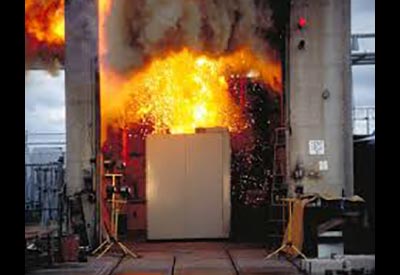
L’arc électrique est une explosion électrique et représente l’un des risques les plus complexes sur les lieux de travail. L’arc électrique est souvent décrit par une terminologie technique à l’aide d’acronymes. La semaine dernière nous avons publié les principaux acronymes associés à l’arc électrique et leur définition. Mais derrière tous ces acronymes il existe une explication simple de l’arc électrique. Il est important de comprendre que l’arc électrique n’a rien à voir avec la soudure, il s’agit d’un risque électrique. En l’espace d’un millième de seconde, la température produite par un arc en son cœur peut atteindre quatre fois la chaleur de la surface du soleil. Il existe d’autres risques associés à l’arc.
Arc flash, a type of electrical explosion, is one of the most complex workplace risks that exists. It is often described using technical terminology and several acronyms. But beneath the alphabet soup of letters and numbers associated with workplace electrical safety there is a simple explanation for arc flash.
Firstly, it’s important to understand arc flash has nothing to do with welding; it’s an electrical hazard. There are three general categories of electrical hazards defined within the applicable standards:
• shock
• arc flash
• arc blast
Within a millisecond, the temperature produced by an arc flash, at its core, can be up to four times hotter than the surface of the sun. Other secondary hazards related to an arc flash include intense light emissions, pressure wave (arc blast), flying debris, toxic fumes and damaging sound levels.
Workers perform tasks that put them at risk for exposure to an arc flash every day, including voltage testing, removing bolted-on panel covers and inserting or removing circuit breakers.
An arc flash hazard can be an extremely violent event that may result in worker fatalities.Workplace injuries and fatalities resulting from electrical hazards, including arc flash and shock, are considered low frequency, high severity events. Arc flash accidents are rare, but they do happen — and often with catastrophic results if workers are not wearing arc flash personal protective equipment (PPE). Specific to arc flash and shock, the electrical safety industry reports the ratio of deaths to incidents as being about 1 in 10.
A typical arc flash is caused when a conductive object gets too close to an energized conductor or circuit part and ground. An electric arc super heats and ionizes the air, allowing for a path for electrical current to flow. Provided there is sufficient voltage, usually above 208 V, the arc can sustain itself and transform into an arc flash.
An arc flash can be caused by equipment failure and human interaction. However, under normal operating conditions, enclosed energized electrical equipment that has been properly installed and maintained poses a negligible risk of an arc flash hazard. Anyone working with energized electrical equipment should be knowledgeable and competent to assess normal versus abnormal conditions to be permitted to perform any routine operation of that equipment.
The acceptable occupational health and safety hierarchal approach to eliminate or reduce risk related to an arc flash hazard is similar to any other workplace hazard. Within the context of electrical safety, these steps include:
• de-energize, isolation and lockout/tagout
• substitution with safer systems or processes
• engineering “safety by design” including effective equipment maintenance
• warning signs and barricading
• administrative controls, training and procedures
• electrical specific PPE, tools and equipment with proper care, use and maintenance
The most effective way to manage electrical hazards, including arc flash, is to implement an electrical safety program as part of an overall occupational health and safety management system.An electrical safety program will provide the rules and tools for energized electrical equipment. Even the most robust corporate safety management systems may not effectively cover off arc flash and electrical hazards. Electrical safety auditing on both an employer’s electrical safety program and fieldwork is a strict requirement of CSA Z462 Workplace Electrical Safety and shall be documented.