Guide pour un éclairage pour une population vieillissante
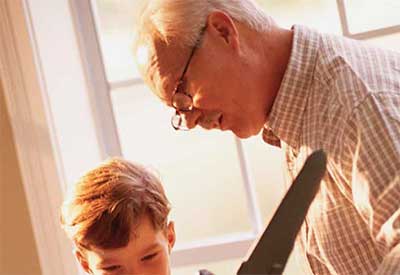
Une nouvelle brochure de l’IES touche l’éclairage chez les boomers. Ce groupe de citoyens est important et en vieillissant l’œil a des besoins spéciaux. L’association recommande de meilleurs niveaux d’éclairage, l’absence d’éblouissements, favoriser la lumière naturelle et l’éclairage ciblé lorsque celui-ci est nécessaire.Dans ce guide il est souligné que l’éclairage ambiant doit être constant d’une pièce à l’autre et les niveaux d’éclairage doivent être supérieurs pour compenser la difficulté que l’œil en vieillissant a à absorber la lumière. L’éclairage doit également aider l’œil à faire la distinction entre les couleurs pour compenser le jaunissement des lentilles humaines avec le temps.
People 65 and older are North America’s fastest growing demographic group. Along with the rapidgrowth of this category comes a host of new products, services, and outreach activities, says the Illuminating Engineering Society (IES). One of theseis the need for home lighting designed especially for the aging eye. Here’s a primer, courtesy of IES’ Lighting Your Way to Better Vision.
The issue
As weage, even healthy eyes become more sensitive to glare and require higher contrasts and illumination levels. They also take longer to adjust to changes in light levels. The need for higher light levels means greater control of sources of light is especially important.
Compensating for our aging eyes
Installing these three types of lighting can help us adjust to changing light levels, create higher levels of light, and minimize glare:
• ambient lighting. Install fixtures that are designed to conceal the light bulb/tube from view or have a diffuser to diminish the brightness of the bulb/tube to control glare. Lighting directed to the ceiling and walls will provide ambient light. Options include fixtures installed out of sight, a light valance, wall wash fixtures, or a torchiere.
• task lighting: fixtures or portable table/floor lamps with adjustable lighting levels provide higher light levels in a specific area. Age-related changes within the eye restrict the light coming in and absorb the light, so more light is needed to compensate.
• glare-free light. Light scatters within the eye, causing greater sensitivity to glare and less ability to see subtle details at lower light levels.
Indoor modifications
When installing or upgrading lighting, introduce multiple light levels, including ambient and task lighting. Suggestions include:
• all rooms — switches and dimming controls that are easy to reach and use
• kitchen and bathroom — under cabinet fixtures, over-the-sink fixtures, strip lighting above cabinets to reflect light off the ceiling, ceiling fixtures
• hallways and areas used at night — illuminated light switches
Place enough electrical boxes to accommodate lots of task lighting and situate them in a way that reduces the slip and trip hazards posed by trailing cords.
Outdoor modifications
Install or upgrade lighting that illuminates surface and elevation changes, and makes movement easier. For example:
• pathway lighting to illuminate steps and level changes, and compensate for porch lights, which can cause glare, and landscaping, which can block mounted lighting and create shadows.
• illuminated house numbers.
Pay special attention to exterior flights of stairs. Lighting mounted at the head of the stairs may not illuminate the entire flight. Concealed rope-lights attached to the underside of the stair rail, or solar powered or electrically powered step lights can provide additional light on stair treads.
According to IES, the presence of “quality environmental lighting can enhance the visual experience and maintain productivity for a lifetime.” For more lighting tips, download the IES guidelines: http://www.ies.org/PDF/Education/LightingForAgingEye.pdf.