Étude de cas : L’alimentation électrique temporaire sur les sites de construction
Vous êtes-vous déjà demandé comment d’importants projets de construction avec bureaux de vente et salles d’exposition ont accès à l’électricité quand il y a seulement un générateur ou une puissance temporaire installée sur le site. Il faut faire attention à ce type d’installations puisque les détecteurs d’incendie, les gicleurs et autres normes de sécurité du code du bâtiment ne s’appliquent pas durant les phases de construction de projets. Un inspecteur de BCSA a récemment visité les lieux d’un site multi résidentiels en construction et a détecté de nombreux dangers potentiels.
Ever wonder how large construction projects with sales offices and show suites get power when there is only a generator or temporary power established on the construction site? TheBC Safety Authority (BCSA) pays close attention to these types of installations, since fire alarms, sprinklers, and other building code safety systems are not up and running during the construction phase of the project.
Recently, a BCSA safety officer conducted an assessment of a large multi-family residential site under construction. Working collaboratively with electrical contractors, other trades, safety officials, utilities, and building departments to reach safety solutions is an important part of a BCSA safety officer’s role.
During the inspection, several significant hazards were found. Most notably, townhouses had been energized using the temporary construction service, creating a risk of overload to the service. Had these dwellings become occupied, this could have resulted in a serious fire and shock hazard.
An additional hazard was created by the power cable used to provide power from the temporary distribution system to the townhouses, which was not installed with the necessary mechanical protection. Construction sites typically have heavy machinery operating and it is imperative that the power cables be installed in a manner that protects them from mechanical damage. A break in the armoured cable can result in either a fire (if combustible material is near by) or a shock hazard if the bonding provisions have been compromised.
Addressing the hazards
The safety officer first documented his findings in a certificate of inspection and contacted the electrical contractor to develop a plan to rectify the identified non-compliances. The contractor submitted an application for a variance, as required by the Safety Standards Act, to energize the show rooms and sales offices. The variance included a request to energize a specific portion of the site, and outlined the wiring method used to provide power to this area of the site, and the signage required at strategic locations on the site, including mark ups on the site’s safety plans. The safety officer granted the variance and the electrical contractor completed the installation and the obligations outlined in the variance.
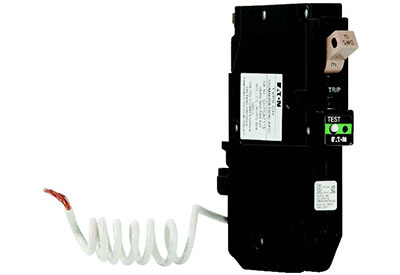
To reduce the safety hazards on the site, branch circuits inside each dwelling had all unnecessary circuit conductors disconnected from circuit breakers. The heavy loads such as space heating, furnaces, dryers, ranges were also disconnected. The safety officer then informed BC Hydro and the electrical contractor that a “hold connection” be placed on the permanent installation permit. This ensures that when the permanent installation is ready for power, the necessary work is completed to transfer and disconnect the temporary power in the showrooms to remove the risk of a possible back feed.
When dealing with sites that have both permanent and temporary electrical systems, closely review your electrical code, specifically the stating that interconnection of temporary power installations and permanent installations shall not be interconnected unless by special permission.
This article was first published online by the BC Safety Authority, http://safetyauthority.ca.